RNA Technology: Advancing Molecular Biology and Life Sciences Research
Explore RNA technology, RNA sequencing, mRNA research, gene expression analysis, single-cell RNA-Seq, and essential resources for biotechnology research.
RNA technology has become an essential part of modern life sciences, opening new opportunities to investigate gene expression, cellular processes, molecular interactions, and biological systems. From RNA sequencing and messenger RNA (mRNA) research to small RNA analysis and RNA-based molecular tools, these technologies support scientific discovery across a wide range of research fields. As molecular biology continues to evolve, RNA technologies are helping researchers investigate biological complexity with greater precision and develop innovative approaches to studying genetic information.
What Is RNA Technology?
RNA technology encompasses the scientific methods, tools, and platforms used to study, analyze, synthesize, and manipulate ribonucleic acid (RNA). RNA plays a central role in transferring and regulating genetic information, making it an important molecule in molecular biology and biotechnology research.
Unlike DNA, which primarily stores genetic information, RNA participates in multiple biological processes, including protein synthesis, gene regulation, and cellular communication.
Modern RNA technology includes several research approaches:
- RNA sequencing (RNA-Seq): Enables researchers to investigate RNA transcripts and characterize gene expression patterns.
- Messenger RNA (mRNA) research: Supports studies of protein production, transcript design, and RNA stability.
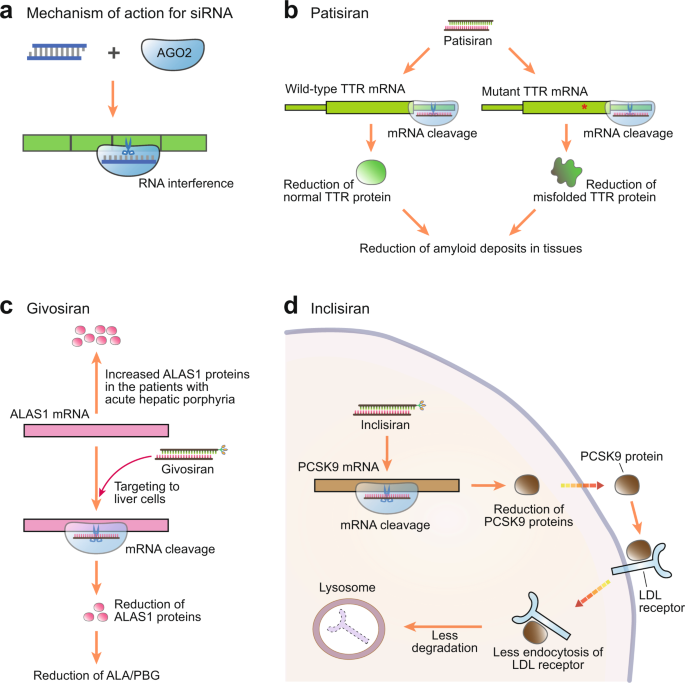
- Small RNA analysis: Facilitates research into microRNAs (miRNAs), small interfering RNAs (siRNAs), and other regulatory RNA molecules.
- Long non-coding RNA research: Helps investigate RNA molecules involved in gene regulation and cellular processes.
- RNA synthesis and purification: Provides tools for preparing RNA molecules for laboratory experiments.
- Single-cell RNA sequencing: Enables the analysis of gene expression at individual-cell resolution.
- Spatial transcriptomics: Connects gene expression data with the spatial organization of cells and tissues.
Together, these approaches provide researchers with complementary ways to explore the role of RNA in biological systems.
Key Applications of RNA Technology in Biotechnology
1. Gene Expression Analysis
Gene expression analysis is one of the most established applications of RNA technology. By measuring RNA transcripts, researchers can investigate which genes are active under specific experimental conditions.
RNA-based analysis can help compare experimental groups, characterize cellular responses, identify expression patterns, and explore molecular pathways. These methods are widely used in cell biology, molecular genetics, developmental biology, and functional genomics.
2. RNA Sequencing and Transcriptomics
RNA sequencing has significantly expanded the possibilities of transcriptomics, the large-scale study of RNA transcripts produced by biological systems.
RNA-Seq can provide information about transcript abundance, alternative splicing, transcript diversity, and previously uncharacterized RNA molecules. Depending on the experimental design, researchers can examine gene expression across different cell populations, experimental conditions, or biological samples.
Combining RNA sequencing with bioinformatics enables the interpretation of large datasets and the identification of patterns that may not be apparent through individual gene measurements.
3. mRNA Research and RNA Engineering
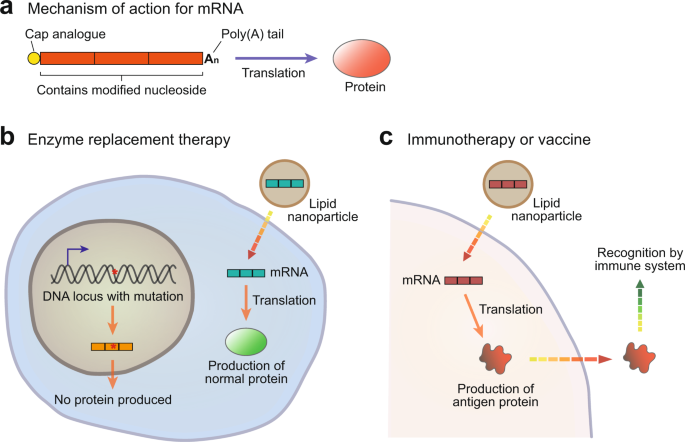
Messenger RNA carries genetic instructions used by cellular machinery during protein synthesis. Research involving mRNA includes the study of transcript sequence, RNA structure, molecular stability, translation efficiency, and nucleotide modifications.
RNA engineering involves designing or modifying RNA molecules for specific experimental objectives. Researchers investigate these properties to understand how sequence composition and molecular structure influence RNA behavior.
Laboratory workflows may involve RNA synthesis, purification, quality assessment, and downstream molecular analysis.
4. Small RNA and Non-Coding RNA Research
Not all RNA molecules encode proteins. Non-coding RNAs perform diverse regulatory and structural functions in biological systems.
MicroRNAs, small interfering RNAs, and long non-coding RNAs are important subjects in molecular biology research. Investigating these molecules can help scientists understand gene regulation, RNA-mediated interactions, and the molecular mechanisms underlying cellular processes.
Specialized RNA extraction, library preparation, sequencing, and quantitative analysis methods can support these investigations.
5. Single-Cell RNA Sequencing
Traditional bulk RNA sequencing measures gene expression across a population of cells, potentially masking differences between individual cells.
Single-cell RNA sequencing addresses this limitation by enabling researchers to examine transcript profiles at individual-cell resolution. This approach can reveal cellular heterogeneity, identify distinct cell populations, and support the investigation of dynamic biological processes.
Single-cell RNA-Seq is particularly valuable in developmental biology, immunology research, stem cell research, and cellular systems analysis.
6. Spatial Transcriptomics
Spatial transcriptomics combines gene expression analysis with information about the physical location of cells and RNA molecules within a tissue or biological sample.
This approach helps researchers investigate how gene expression varies across different tissue regions and how neighboring cellular populations may differ in their molecular characteristics.
When integrated with single-cell sequencing, microscopy, and computational analysis, spatial transcriptomics can provide a more comprehensive view of biological organization.
Essential Tools and Reagents for RNA Research
Reliable RNA analysis depends on selecting appropriate research products and maintaining consistent laboratory workflows. RNA molecules can be sensitive to degradation, making sample preparation, handling, and quality control particularly important.
Common resources used in RNA research include:
- RNA extraction and purification kits
- RNA isolation reagents
- RNase-free tubes, tips, and laboratory consumables
- Reverse transcription reagents and cDNA synthesis kits
- Quantitative PCR reagents for RNA expression workflows
- RNA sequencing library preparation kits
- RNA quality and integrity assessment tools
- RNA synthesis and purification resources
- Bioinformatics software and data analysis platforms
The appropriate combination of products depends on the RNA type, sample material, analytical method, and experimental objectives.
Researchers should consider RNA integrity, sample purity, potential contamination, experimental controls, and compatibility between workflow components when planning an experiment.
Challenges and Future Directions in RNA Technology
Although RNA technology continues to advance, several technical challenges remain important in research settings.
RNA stability: RNA can degrade during sample collection, preparation, and storage. Appropriate handling procedures and RNase-free materials help preserve sample quality.
Data complexity: RNA sequencing and single-cell studies can generate large datasets that require robust computational methods, appropriate statistical analysis, and careful interpretation.
Sample variability: Biological differences and variations in sample preparation can influence RNA measurements. Consistent protocols and suitable experimental controls improve data comparability.
Emerging analytical methods: Long-read sequencing, improved single-cell workflows, spatially resolved molecular analysis, and integrated multi-omics approaches are expanding the range of questions researchers can investigate.
Artificial intelligence and machine learning are also increasingly used to support RNA sequence analysis, transcript classification, pattern recognition, and the interpretation of complex molecular datasets. Their usefulness depends on data quality, appropriate validation, and the scientific context.
As these technologies develop, RNA research is expected to become increasingly integrated with genomics, proteomics, computational biology, and other molecular research disciplines.

How to Choose RNA Research Products
Selecting suitable RNA research products starts with defining the experimental objective and understanding the requirements of the intended workflow.
Consider the following factors:
- RNA type: Determine whether the project focuses on total RNA, mRNA, microRNA, long non-coding RNA, or another RNA class.
- Sample source: Different biological materials may require different extraction and purification strategies.
- Analytical method: RNA-Seq, RT-qPCR, single-cell analysis, and other methods have distinct reagent and preparation requirements.
- Quality control: Consider RNA integrity, purity, and the quality assessment methods required for the experiment.
- Workflow compatibility: Verify that extraction kits, enzymes, library preparation reagents, and downstream platforms are compatible.
- Data analysis: Plan for suitable computational resources and analysis methods, especially for high-throughput sequencing projects.
Careful product selection can help researchers build consistent, reproducible RNA analysis workflows.
Explore RNA Technology Resources with Gentaur
Gentaur supports the life sciences research community by providing access to a broad range of research products and scientific resources for molecular biology and biotechnology applications.
Researchers exploring RNA technology can investigate products and tools related to RNA analysis, molecular biology, gene expression studies, sequencing workflows, and laboratory research.
Whether you are developing an RNA sequencing workflow, investigating gene expression, or exploring advanced transcriptomics, selecting appropriate research resources is an important step toward achieving reliable experimental results.
Explore Gentaur's research products and services to find resources suited to your RNA technology and molecular biology research needs.
Visit Gentaur to explore available research products and Gentaur Research Services for additional information about research support options.
Frequently Asked Questions About RNA Technology
What is RNA technology used for?
RNA technology is used to study gene expression, investigate RNA structure and function, analyze transcriptomes, characterize cellular heterogeneity, and support a broad range of molecular biology and biotechnology research applications.
What is the difference between RNA technology and DNA technology?
DNA primarily stores genetic information, while RNA participates in gene expression, protein synthesis, and multiple regulatory processes. DNA-based technologies often focus on genetic sequences, whereas RNA-based technologies can provide information about transcripts and gene activity under specific conditions.
What is RNA sequencing?
RNA sequencing, or RNA-Seq, is a high-throughput method used to characterize RNA molecules in a sample. It can help researchers measure transcript abundance, investigate alternative splicing, and explore the diversity of RNA transcripts.
What is the role of mRNA in biotechnology research?
Messenger RNA carries genetic instructions used during protein synthesis. In biotechnology research, mRNA is studied in relation to sequence design, molecular stability, translation, RNA structure, and protein production.
Which products are commonly used in RNA research?
Common products include RNA extraction kits, purification reagents, reverse transcription kits, qPCR reagents, RNA sequencing library preparation kits, RNase-free consumables, and RNA quality assessment tools.
How is AI contributing to RNA research?
Artificial intelligence can help analyze RNA sequences, identify transcript patterns, support molecular structure prediction, and interpret large-scale transcriptomics datasets. Computational predictions generally require appropriate experimental or independent validation.
Conclusion
RNA technology is a fundamental component of modern molecular biology, supporting research into gene expression, transcriptomics, RNA regulation, cellular diversity, and biological complexity.
With continued progress in RNA sequencing, single-cell analysis, spatial transcriptomics, and computational biology, researchers have access to increasingly sophisticated methods for investigating biological systems.
By combining appropriate research products, well-designed experimental workflows, and reliable data analysis, scientists can make better use of RNA technologies across a wide range of life sciences research applications.
Discover RNA research products and biotechnology resources at Gentaur.